Orphan Easements:
The History and Efforts Towards Resolution
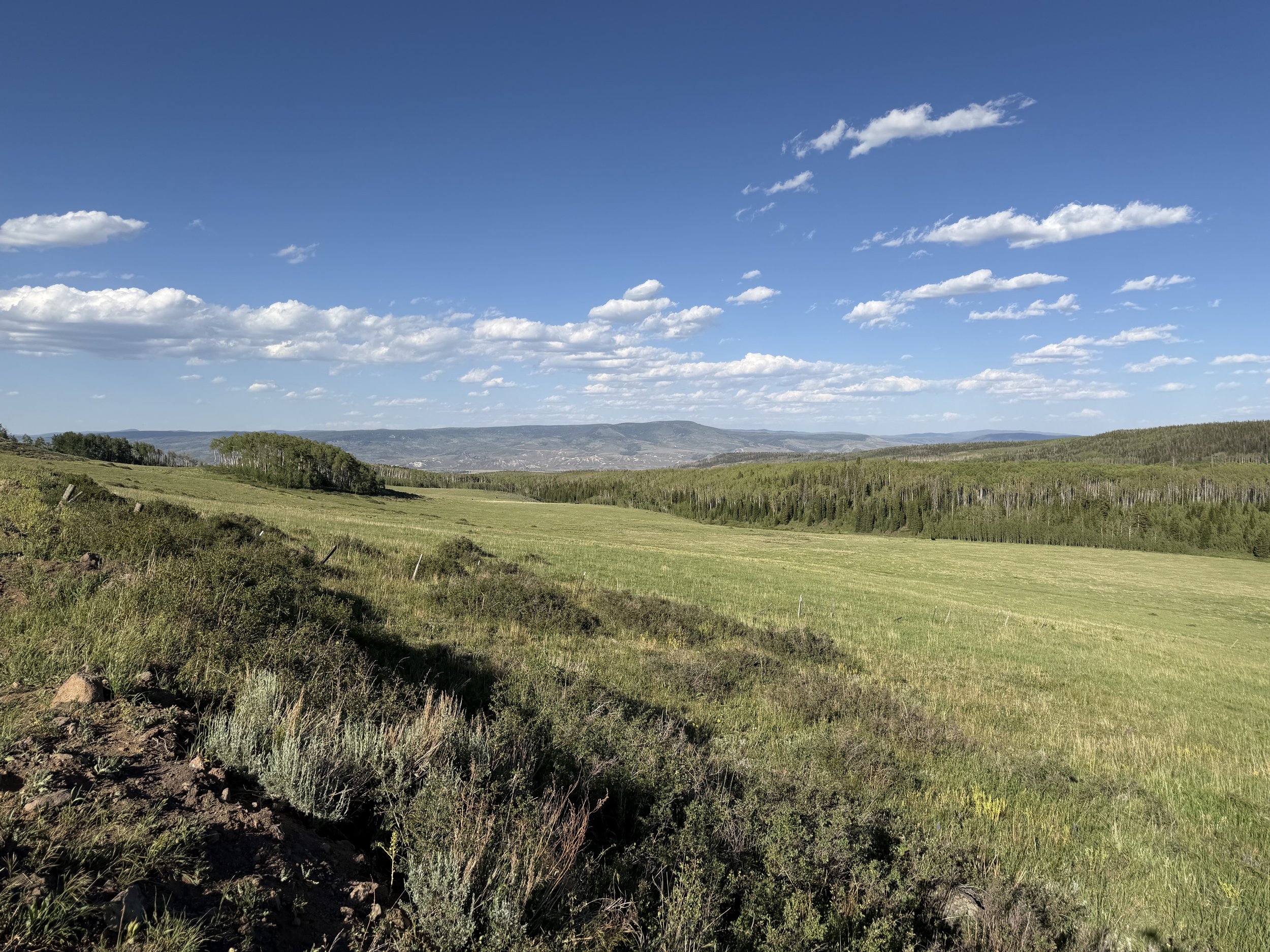
Outfitters Moore Park - a previsously orphaned conservation easement now held by Colorado Cattlemen’s Agricultural Land Trust
Colorado land trusts, in partnership with landowners, have played a leading role in creating Colorado's remarkable conservation legacy. Collectively, their efforts have protected working farms and ranches, county open space, local parks, wildlife habitat, streams and rivers, and countless places where Coloradans connect with nature.
Today, Colorado maintains one of the nation's most robust and well-regulated conservation easement programs. Since the transferable conservation easement tax credit was authorized in 2000, thousands of landowners have voluntarily protected their land while advancing statewide conservation goals. Together, these partnerships have resulted in the permanent conservation of more than 3.5 million acres.
Conservation easements are voluntary legal agreements to protect land in perpetuity, usually undertaken in partnership with a land trust or a public agency. In general, they allow landowners to retain ownership of the land while protecting the property from development or other changes that would reduce its conservation value. Landowners who donate or sell conservation easement interests are typically eligible for federal tax deductions and state tax credits for the portion of the value conveyed. When properly implemented and stewarded over time, conservation easements remain one of the most effective tools for protecting private lands in Colorado.
Understanding Orphan Conservation Easements
“Today’s conservation easement program is widely recognized as one of the strongest in the country, and the circumstances that led to orphan easements in Colorado are no longer common.”
While today's conservation easement program benefits from strong regulatory oversight and stewardship standards, that was not always the case. During the early years of Colorado's conservation easement program, some easement-holding organizations dissolved or became unable to fulfill their stewardship responsibilities. Although the conservation easement remains attached to the property, no organization may be available to monitor the easement, answer landowner questions, or provide ongoing stewardship. These are known as orphan conservation easements.
For landowners, orphan conservation easements can create uncertainty about future land management, refinancing, and property sales because there is no active organization available to administer the easement. Reestablishing stewardship also helps ensure that the conservation values protected by the easement—and the public investments that supported them—are maintained for future generations.
Working Toward Solutions for Landowners and Conservation
Keep It Colorado, in partnership with accredited land trusts, launched a statewide initiative to identify orphan conservation easements and develop practical solutions that reconnect willing landowners with long-term stewardship. The initiative is designed to protect Colorado's conservation legacy while providing landowners with greater clarity about their easements and available options.
Keep It Colorado is working with accredited land trusts and certified easement holders that may be able to assume long-term stewardship of conservation easements. Voluntary transfers to these entities can provide landowners with an active conservation partner and greater certainty for future planning, refinancing, and property sales.
To support those transfers, Keep It Colorado is also developing financial and administrative tools, including stewardship funds, pooled resources, and shared technical assistance, that enable land trusts to assume additional easement responsibilities without jeopardizing their existing stewardship programs.
This initiative reflects Keep It Colorado's commitment to supporting landowners, strengthening long-term stewardship, and maintaining confidence in Colorado's conservation easement program. We believe the best solutions are developed in partnership with landowners, and we are committed to working alongside property owners every step of the way.
For more information, please send a note to info@keepitco.org, and one of our staff members will contact you.
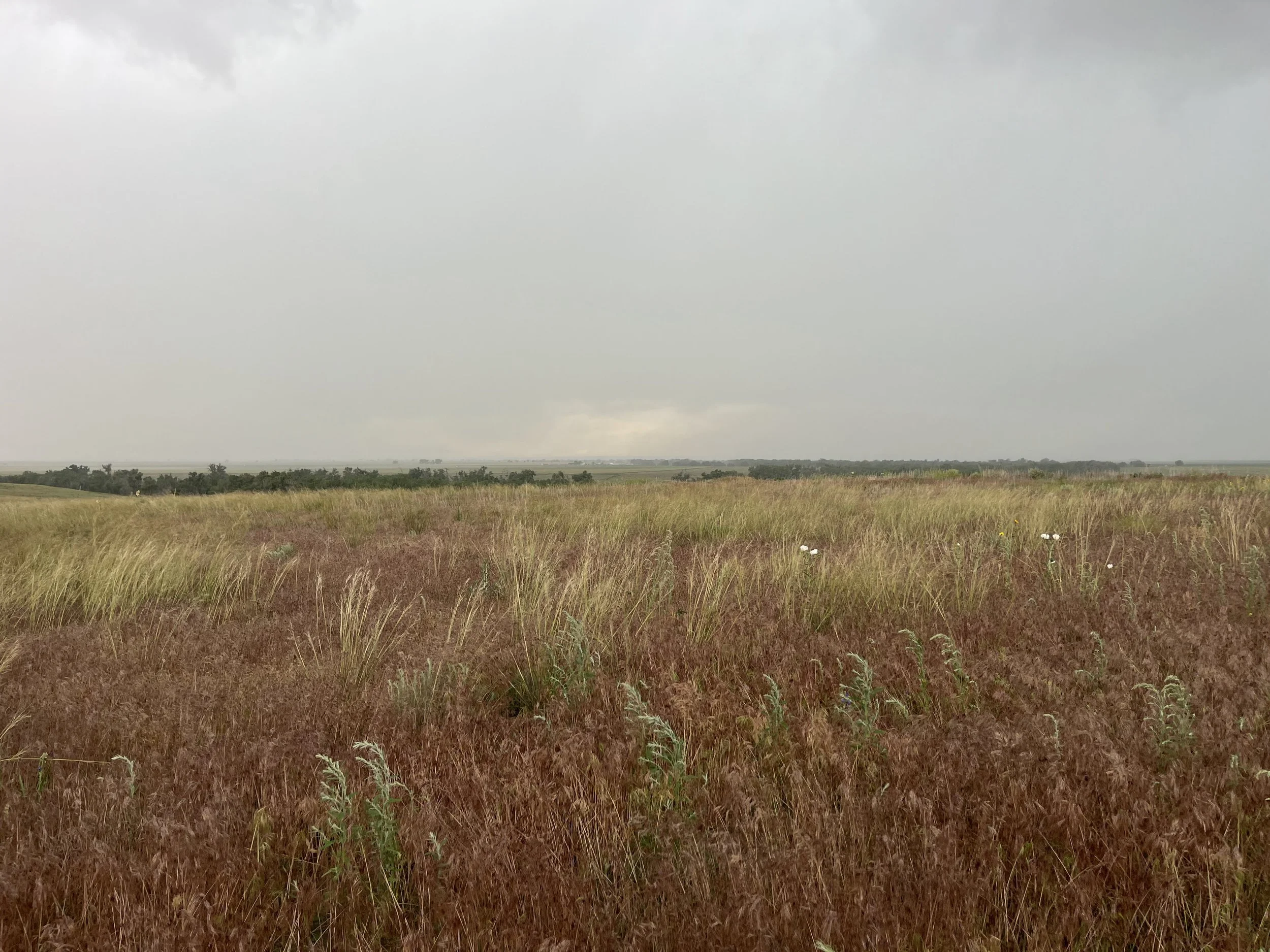
Bluffs Ranch - a previsously orphaned conservation easement now held by Colorado Cattlemen’s Agricultural Land Trust
Frequently Asked Questions
What is a conservation easement?
Conservation easements are voluntary legal agreements that permanently protect land. They are created in partnership with a land trust or a public agency. In general, they allow landowners to continue to own and use their property while protecting the property from development or other changes that would reduce its conservation value in the future. Landowners who donate or sell conservation easement interests are typically eligible for federal tax deductions and, in Colorado, state tax credits for the portion of the value conveyed.
What are orphan easements?
Orphan easements are conservation easements that no longer have an active land trust or public agency responsible for overseeing them. In some cases, the organization that originally held the easement dissolved or became unable to fulfill its stewardship responsibilities. When an easement-holding entity ceases to exist or cannot be located, the recorded easement remains attached to the property, but no organization is left to monitor, defend, or otherwise steward the easement over time.
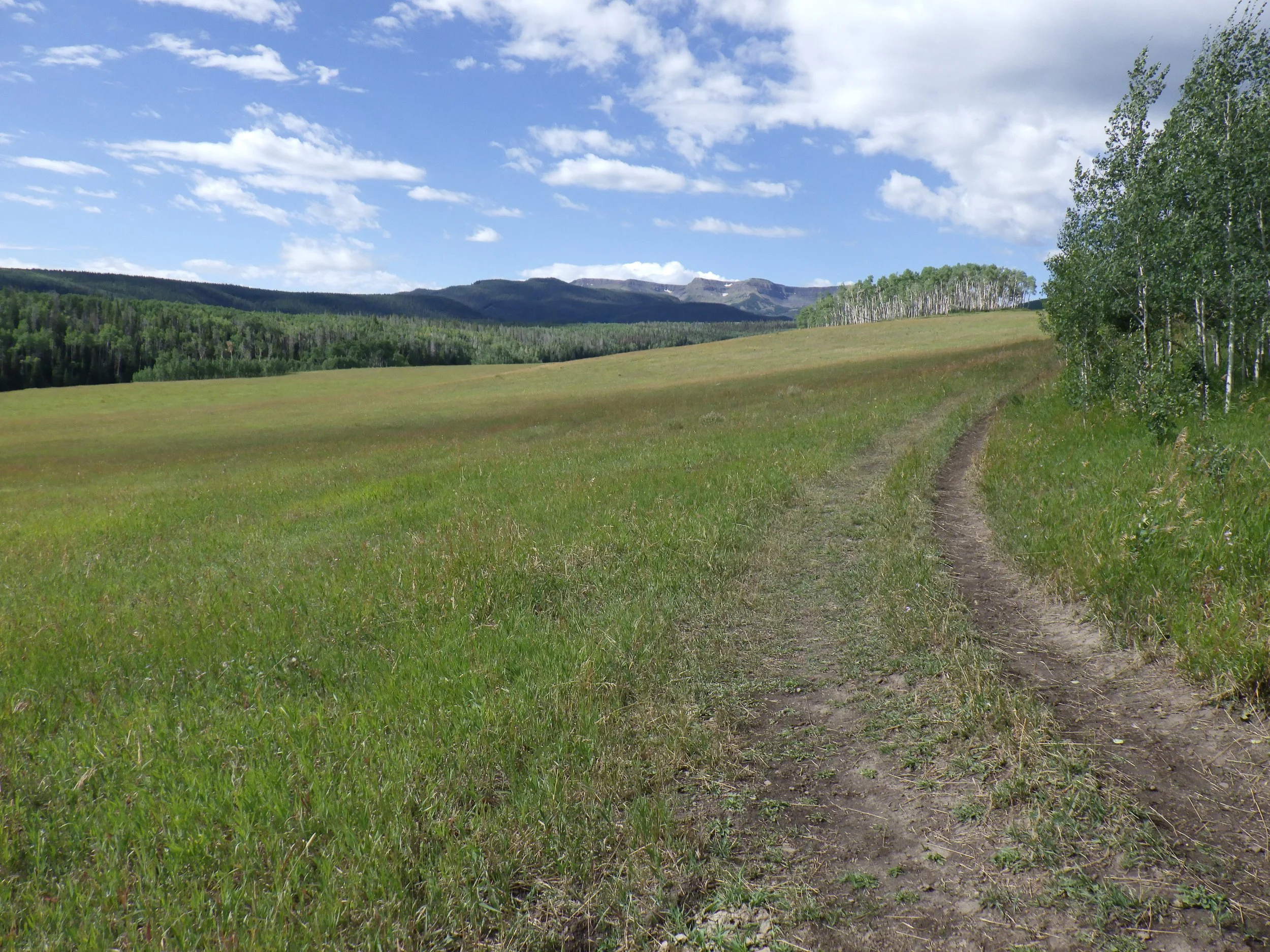
Outfitters Moore Park - a previsously orphaned conservation easement now held by Colorado Cattlemen’s Agricultural Land Trust
What conditions led to orphan easements?
Most orphan easements originated during the early years of Colorado’s conservation easement program, when the program operated with less oversight than it does today. Since then, Colorado has significantly strengthened oversight, accreditation standards, and stewardship requirements. As a result, today’s conservation easement program is widely recognized as one of the strongest in the country, and the circumstances that led to orphan easements in Colorado are no longer common.
Why should we try to resolve orphan easements?
Resolving orphan easements benefits both landowners and conservation. For landowners, orphaned easements can create legal uncertainty, complicating land management decisions and impeding future planning and property sales because there is no active organization available to interpret or administer the easement. Re-establishing stewardship also helps ensure the conservation values protected by the easement, and the associated public investments, are maintained.
Do orphan easements nullify the terms of a conservation easement?
No, the status of a conservation easement as "orphaned" does not nullify the terms of a conservation easement. Despite the fact that orphan easements do not have a formal holding entity, the legal contract outlined in the conservation easement agreement remains in place in perpetuity, and the terms of the easement remain in effect.
What options are available for landowners with orphan easements?
Landowners with orphaned easements do have options to voluntarily work with an accredited land trust to transfer stewardship of their easement. While each property is unique, these transfers can provide landowners with an active conservation partner.
Why should a landowner want to resolve an orphan easement?
Orphan easements can create legal uncertainty for landowners, complicating land management decisions, and impeding future planning and property sales. Landowners benefit from third-party stewardship oversight to ensure compliance with the terms of the easement. Holding entities can also validate a clean land title for property sales.
What is Keep It Colorado doing to address orphan easements?
Keep It Colorado is working alongside partner land trusts to find practical solutions for orphan easements. We have begun to understand legal and practical options for transferring easements, worked with accredited land trusts to understand which ones might be within their service areas, and initiated conversations with potential funders who could support the direct costs associated with the process. Every property is different, and solutions will vary. Our goal is to help connect landowners with qualified conservation organizations that can assume long-term stewardship when appropriate. Right now, we have the capacity to support a few landowners in transferring their easements to accredited land trusts. Over the next few years if funding becomes available, we hope to help even more landowners reconnect their orphan easements with qualified long-term stewardship partners.
Who do I contact to learn more about my orphan conservation easement?
Please send a note to info@keepitco.org, and one of our staff members will contact you.

Generously funded this work