Bipartisan Bill Introduced to Extend Colorado’s Conservation Easement Tax Credit, Protecting Water Resources, Habitat & Communities
DENVER — Bipartisan legislation introduced on February 19 in the Colorado General Assembly would extend the state’s highly successful Conservation Easement Tax Credit Program. HB26-1230 ensures continued protection of Colorado’s farms, ranches, wildlife habitat, water resources, and outdoor recreation landscapes.
Sponsored by Representative Matthew Martinez (D) HD 62, Representative Elizabeth Velasco (D) HD 57, Senator Dylan Roberts (D) SD 8, and Senator Barbara Kirkmeyer (R) SD 23, the bill would extend the program’s sunset from 2031 to 2036 while maintaining the existing annual cap. The proposal provides certainty for landowners and communities at a critical moment, as demand for conservation easements now far exceeds available tax credits.
For more than 25 years, Colorado’s Conservation Easement Tax Credit Program has incentivized voluntary conservation by private landowners, helping conserve more than 3.5 million acres statewide. However, current forecasts indicate that all authorized tax credits will be fully allocated by the end of 2026, five years before the program’s scheduled sunset, threatening to stall conservation projects already underway and pause new projects across the state.
Representative Matthew Martinez said, “In rural and agricultural communities across Colorado, such as where I am from in the San Luis Valley, conservation easements help keep working lands working while protecting our water, wildlife habitat and open space that sustain our way of life. Extending the conservation easement tax credit gives landowners the certainty they need to finish projects already underway and helps to strengthen our communities’ natural heritage.”
“Private landowners play a vital role in conserving Colorado’s agricultural foundation, water resources, and rural way of life. This bipartisan bill is about fiscal responsibility and long-term planning, providing a cost-effective way to support voluntary conservation while strengthening rural economies across the state,” added Senator Barbara Kirkmeyer.
“In the Roaring Fork Valley where I am from, and all across Colorado, our rivers and wildlife habitat, open spaces and communities are connected by the lasting public benefits conservation easements deliver. Conservation easements are a smart, proven investment that protect the critical landscapes, watersheds and communities we hold dear and this bill helps to ensure conservation opportunities aren’t lost simply because the program runs out of time,” said Representative Elizabeth Velasco.
Senator Dylan Roberts iterated, “In mountain and Western Slope communities, conservation easements are essential for protecting headwaters, wildlife corridors, and the working lands that support outdoor recreation and local economies. Extending this program provides certainty for landowners and ensures Colorado continues to see strong returns from one of the most effective conservation tools we have.”
Extending the program will allow landowners who have already invested significant time and resources in conservation easements to complete their projects, while ensuring Colorado can continue to protect critical watersheds, wildlife habitat, working agricultural lands, and public access opportunities.
“Colorado’s conservation easement tax credit is one of the most effective, fiscally responsible conservation tools in the nation,” said Robyn Paulekas, Executive Director of Keep It Colorado which represents the state’s land trust community. “By extending this program, the legislature is providing certainty to landowners, safeguarding projects already in progress, and ensuring that Colorado can continue protecting the working lands, water resources, and wildlife habitats that define our state. This program pays for itself many times over, strengthening rural economies while delivering lasting benefits for all of our state’s communities from the eastern plains, front range and western slope. We want to thank Representatives Martinez and Velasco and Senators Roberts and Kirkmeyer for their leadership across the state and for sponsoring this bill to bolster this vital program.”
A 2023 Colorado State University analysis found that every $1 invested in conservation returns between $37 and $64 in public benefits, generating billions of dollars in economic value while supporting rural resilience, climate goals, and biodiversity.
CONTACT:
Cody Wertz cody@freestone-strategies.com 303-518-2112
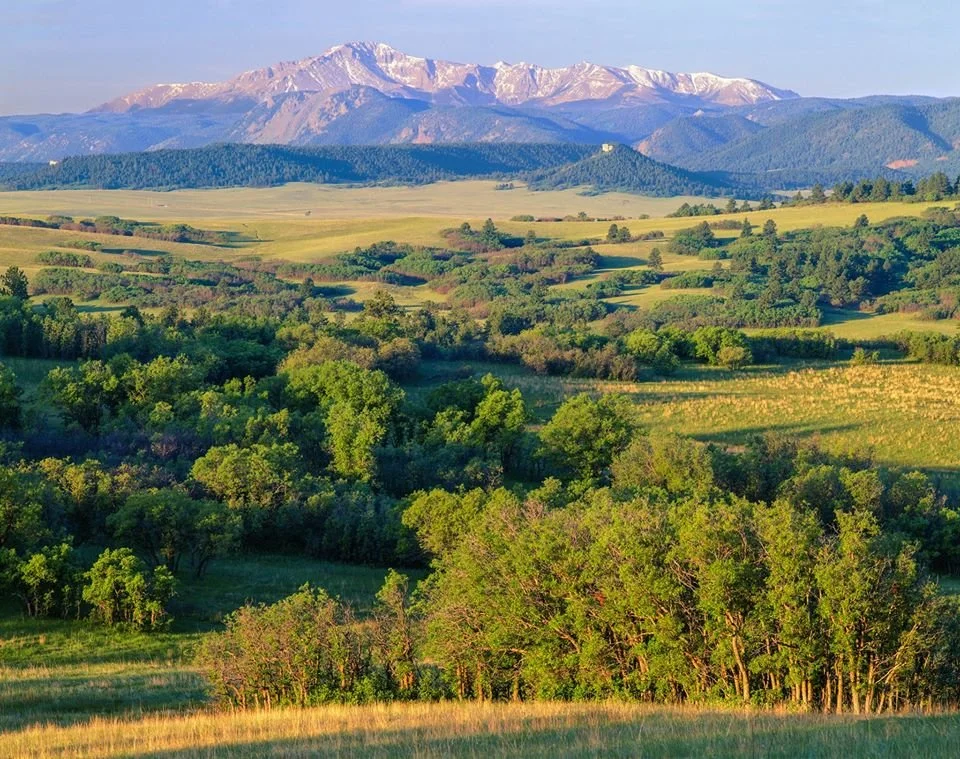
Photo by John Fielder.